

Why Gutter installation Matters in Fayetteville
Gutter mounting is a essential component of residence care in Fayetteville, Arkansas. The region encounters a range of meteorological scenarios throughout the year, from heavy spring to unforeseen summer season storms. Without adequate gutters, water can injure a residence's support, result to mildew development, and cause to expensive maintenance. In Fayetteville, where downpours can be variable, making sure that gutters are mounted accurately is essential for protecting your property. For trustworthy Gutter Installation in Arkansas in Arkansas, AGM Gutters provides skilled guidance and realistic approaches.
Property owners in Arkansas frequently ignore the importance of gutters until they face a issue. However, regular maintenance and sufficient mounting can avoid many of these challenges. Regardless you're a long-time resident or fresh to the area, understanding the role of gutters in your residence's security is important. In Fayetteville, where the weather can be demanding, having a trustworthy gutter setup is beyond just a amenity—it’s a essential.
Area professionals in Fayetteville highlight that gutter setup should not be rushed. A properly installed setup can persist for many years, saving homeowners funds in the long run. By focusing on excellence and sufficient setup, you can prevent future costs and make sure your property continues guarded against the conditions.
Common Gutter Types Used in Arkansas
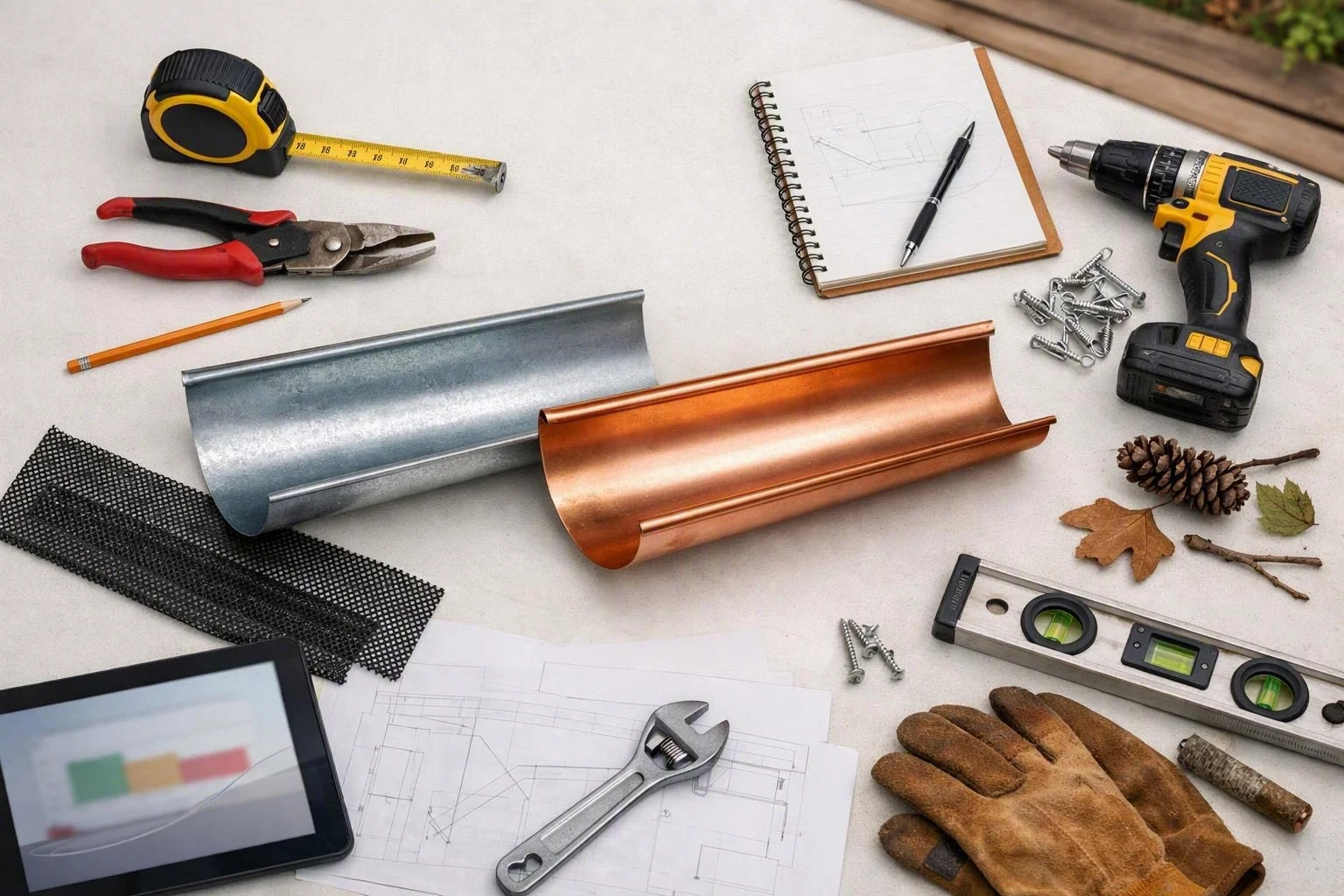
In Arkansas, several types of gutters are commonly used, each with its own advantages and disadvantages. The most popular options include vinyl gutters. Steel gutters are lightweight, durable, and resistant to rust, making them a popular choice for many homeowners in Fayetteville and surrounding areas. Steel gutters are stronger and more durable but can be more expensive and prone to corrosion if not properly maintained.
Steel gutters are another option, known for their affordability and ease of installation. However, they may not be as strong as metal alternatives and can become brittle over time. In Fayetteville, where the climate can be unpredictable, the choice of gutter material is crucial. Homeowners often seek advice from local professionals to determine which type of gutter is best suited for their specific needs and the local weather conditions.
Additionally, some homeowners in Arkansas opt for tailored gutters, which are custom-fitted to the home and less likely to leak. These gutters are typically made from aluminum or steel and are installed by professionals. In Fayetteville, where the landscape is often covered with trees, tailored gutters can be a practical choice to reduce the risk of clogs and leaks.
How Arkansas Climate Affects Gutter Installation
The weather in Arkansas plays a important role in the effectiveness of gutter installation. Fayetteville, like much of the state, experiences a warm and humid climate with warm summers and mild winters. This means that homeowners must consider both extensive rain and possible ice accumulation when choosing their gutter system. In the summer months, Fayetteville often sees intense rain, which can overwhelm improperly installed gutters and lead to flood damage.
Extreme weather conditions in Arkansas can also impact the lifespan of gutters. https://carr-lindgaard-4.thoughtlanes.net/comparing-9-key-questions-to-consider-before-hiring-a-gutter-installation-in-arkansas-key-factors-explained-2026 For example, powerful winds can cause debris to accumulate in gutters, leading to blockages and overflow. In regions like Little Rock and Fort Smith, where vegetation is dense, gutters may require increased servicing to prevent obstructions. Comprehending how the area's weather affects gutter results is essential for making wise choices about placement and upkeep.
Homeowners in Arkansas should also be informed about the chance for ice formations in the frosty months. While rare in Fayetteville than in freezing areas, ice dams can still arise in areas with large snow accumulation. Correct gutter placement, including the employment of heating elements, can reduce the risk of frost accumulation and minimize the possibility of moisture damage. By taking into account the local climate, homeowners can guarantee their gutters are both functional and durable.
Best Materials for Gutter Installation in Arkansas
Selecting the right materials for gutter installation in Arkansas is crucial for ensuring durability and performance. Aluminum is one of the most popular choices due to its lightweight nature and resistance to rust. In Fayetteville, where the climate can be humid, aluminum gutters are often recommended for their ability to withstand moisture without corroding. They are also easy to install and can be customized to fit the unique shape of a home.
Steel gutters are another option, known for their strength and durability. However, they are more prone to rust unless coated with a protective layer. In areas like Fort Smith, where building codes emphasize corrosion-resistant materials, steel gutters may be a good choice if properly treated. Vinyl gutters are an affordable alternative, but they may not be as strong as metal options and can become brittle over time. In Fayetteville, where the climate is often unpredictable, homeowners should consider the long-term benefits of each material.
Unbroken gutters made from aluminum or metal are also a popular choice in Arkansas. These gutters are custom-fitted to the home and have fewer seams, reducing the risk of leaks. In Springdale, where the climate is more moderate, many homeowners opt for aluminium seamless gutters due to their combination of strength and affordability. By choosing the right materials, homeowners in Arkansas can ensure their gutters are both effective and long-lasting.
Price of Gutter setup in Fayetteville and Nearby Areas
The cost of gutter mounting in Fayetteville and nearby areas can vary depending on several factors, including the type of materials used, the size of the home, and the complexity of the mounting. On average, homeowners in Arkansas can expect to pay between $3 and $7 per linear foot for gutter mounting. This range can increase for more complex systems or when using premium materials such as copper or steel.
Homeowners in nearby cities like Little Rock and Fort Smith often see similar price ranges, but local labor costs and material availability can influence the final expense. In Fayetteville, where the demand for gutter installation is high, it’s important to compare quotes from multiple contractors to ensure you’re getting a fair rate. Some companies may offer discounts for larger projects or for customers who opt for certain types of gutters.
While the initial expense of gutter installation may seem high, it’s important to consider the long-term savings. A well-installed gutter system can prevent costly water damage, reduce the need for repairs, and increase the overall value of a home. In Arkansas, where the climate can be challenging, investing in quality gutters is a smart decision that can save funds over time.
Tips to Save on Gutter Installation in Arkansas
There are multiple ways to save on gutter installation in Arkansas without compromising on standard. One of the most practical strategies is to compare quotes from multiple contractors. In Fayetteville, regional companies commonly offer competitive pricing, and by getting numerous estimates, you can find the best deal. Be sure to ask about any promotions or discounts that may be available for new homeowners or for larger jobs.
Another way to save is to select cost-practical materials without sacrificing durability. Aluminum gutters are a popular selection because they are both affordable and long-lasting. In some cases, opting for a seamless gutter installation can also save money in the long run, as these setups are less likely to develop leaks. Additionally, some residents in Arkansas choose to put in gutters themselves, but this is generally not recommended unless you have experience with the process.
Timing can also play a role in saving money. Many contractors offer lower rates during the off-peak season, such as late fall or early spring. In Fayetteville, where the weather can be unpredictable, planning your installation during a less busy time can help you get a better price. By following these tips, homeowners in Arkansas can ensure they get a high-quality gutter system without breaking the bank.
Professional Gutter installation Procedures in Fayetteville
Professional gutter installation in Fayetteville involves a series of steps to ensure the system is both functional and long-lasting. The process typically begins with an evaluation of the home’s roof and existing gutter system. A professional will inspect the current gutters for damage, verify for proper drainage, and determine the best location for new gutters. This initial step is important for identifying any underlying issues that may affect the installation.
Once the assessment is complete, the installer will measure the home’s perimeter and acquire the necessary materials. In Fayetteville, where the climate can be unpredictable, the choice of materials is carefully considered to ensure they can withstand local weather conditions. The installation itself involves fastening the gutters to the home’s eaves, confirming they tilt correctly to allow water to flow away from the foundation.
After the gutters are installed, the professional will test the system to ensure it functions properly. This includes inspecting for leaks, ensuring that water flows correctly, and making any required adjustments. In Fayetteville, where heavy rainfall is common, a well-installed gutter system is important for protecting the home from water damage. By working with a professional, homeowners can guarantee their gutters are mounted correctly and will provide dependable protection for years to come.
Local Building Codes for Gutters in Arkansas
Arkansas has particular building codes that govern the installation of gutters to ensure they are protected and efficient. In Fayetteville, these codes are implemented by local authorities to maintain a standard of quality and safety across the region. One of the critical requirements is that gutters must be installed at the proper slope to allow water to flow properly. This prevents water from gathering and reduces the risk of leaks and damage to the home’s groundwork.
Another significant regulation is the use of rust-proof materials, especially in areas like Fort Smith, where building codes stress longevity. https://pad.stuve.de/Hr-VCpFtSpukPbLWcgXHNQ In Fayetteville, homeowners must guarantee that their gutters are made from materials that can withstand the local climate. This includes using metal gutters that are prepared to resist rust. Additionally, all gutters must be properly secured to the home to stop them from getting loose during heavy tempests.
Local codes also require that gutters be installed in a way that guides water away from the home’s foundation. This is particularly crucial in areas with intense rainfall, such as Fayetteville, where water accumulation can cause to building damage. By complying these local building codes, homeowners can guarantee their gutter system is both in-line and effective in guarding their property.
Signs Your Gutters Need Repair in Arkansas
Knowing when your gutters need repair is essential for maintaining the strength of your home’s outside. One of the most frequent signals is water accumulating around the groundwork. If you notice pools forming near the foot of your home, it could suggest that your gutters are not guiding water away effectively. In Fayetteville, where heavy precipitation is frequent, this problem can result to serious damage if remained unchecked.
Another sign that your gutters need attention is sagging or moving away from the home. This can arise when gutters become burdened with debris or when the attachments become unsecured over period. In areas like Little Rock, where tree density is dense, gutters may require more frequent clearing to prevent blockages and maintain correct operation. If your gutters are not effectively anchored, they can result water to spill and injure your home’s exterior or ceiling.
Cracks or leaks in the gutter system are also a clear indication that repairs are needed. These issues can lead to water seepage into the home’s structure, potentially causing mold growth and other problems. In Fayetteville, where the climate can be unpredictable, it’s important to address any signs of damage quickly. By staying vigilant and addressing issues early, homeowners can prevent more extensive and costly fixes down the line.
Gutter Maintenance in Fayetteville and Surrounding Cities
Maintaining gutters in Fayetteville and surrounding areas is essential for ensuring they function properly throughout the year. Regular cleaning is one of the most important tasks, as debris such as leaves and twigs can accumulate and block the flow of water. In Springdale, where the climate is more moderate, homeowners often clean their gutters on a biannual basis—once in the fall and once in the spring—to prevent clogs and ensure proper drainage.
Inspecting gutters for damage is another key part of maintenance. In areas like Conway and Rogers, where the weather can be unpredictable, it’s important to check for cracks, leaks, or loose fasteners. Any signs of wear should be addressed without delay to prevent further damage. In Fayetteville, where heavy rainfall is common, a well-maintained gutter system can help protect the home from water-related issues.
Homeowners in Arkansas should also consider the use of gutter guards, which can reduce the amount of debris that enters the system. These guards are particularly useful in areas with heavy tree coverage, such as North Little Rock and Pine Bluff. By incorporating regular maintenance into their routine, homeowners can extend the life of their gutters and avoid costly maintenance.
What are the most common types of gutters used in Arkansas?
The most common types of gutters used in Arkansas include aluminum, steel, and vinyl gutters. Aluminum is popular for its durability and resistance to rust, making it a good choice for Fayetteville and surrounding areas. Steel gutters are strong but may require additional protection against corrosion. Vinyl gutters are an affordable option, though they may not be as long-lasting as metal alternatives.
How do climate conditions in Arkansas affect gutter installation?
Arkansas has a humid subtropical climate with hot summers and mild winters. This means that gutter installation must account for heavy rainfall, specifically in Fayetteville, where spring storms can be intense. Correct installation ensures that gutters can tackle these conditions without leaking or overflowing. In areas like Fort Smith, where building codes emphasize corrosion-resistant materials, climate considerations play a significant role in material selection.
What materials are best suited for Arkansas weather?
Aluminum is frequently considered the best material for Arkansas weather due to its resistance to rust and ability to withstand moisture. In Fayetteville, where the climate can be unpredictable, aluminum gutters are a popular selection. Steel gutters are also used, but they need further protection to prevent corrosion. Vinyl gutters are an affordable option but may not be as durable in the long run.
What is the common cost of gutter installation in Arkansas?
The cost of gutter installation in Arkansas usually ranges from $3 to $7 per linear foot. This can vary depending on the materials used and the complexity of the installation. In Fayetteville, where the demand for gutter systems is high, homeowners can expect to pay within this range. Selecting cost-effective materials and comparing quotes from local contractors can help lower expenses.
What are the steps involved in professional gutter installation?
Professional gutter installation involves several steps, including an initial assessment of the home, measuring for the new system, and selecting the appropriate materials. The installation process includes securing the gutters to the eaves, ensuring proper slope for water drainage, and testing the system for leaks. In Fayetteville, where the climate can be challenging, a well-executed installation is essential for long-term performance.